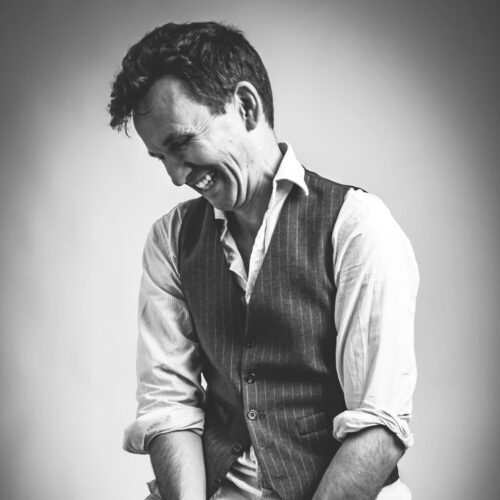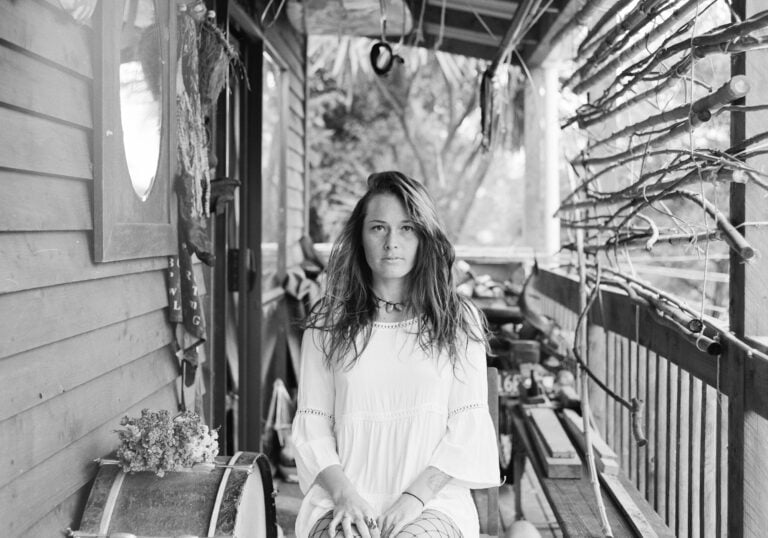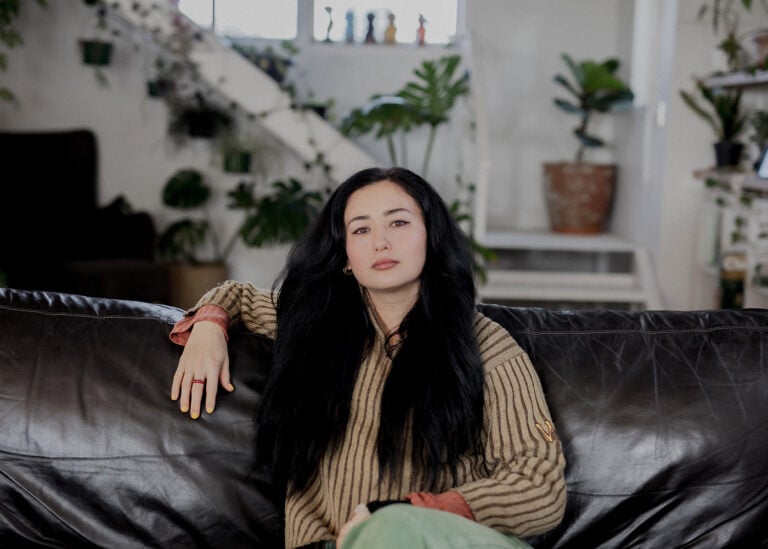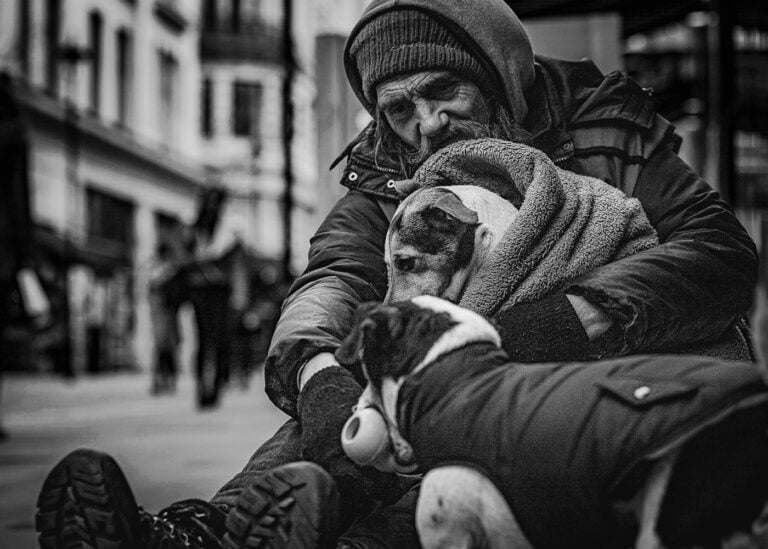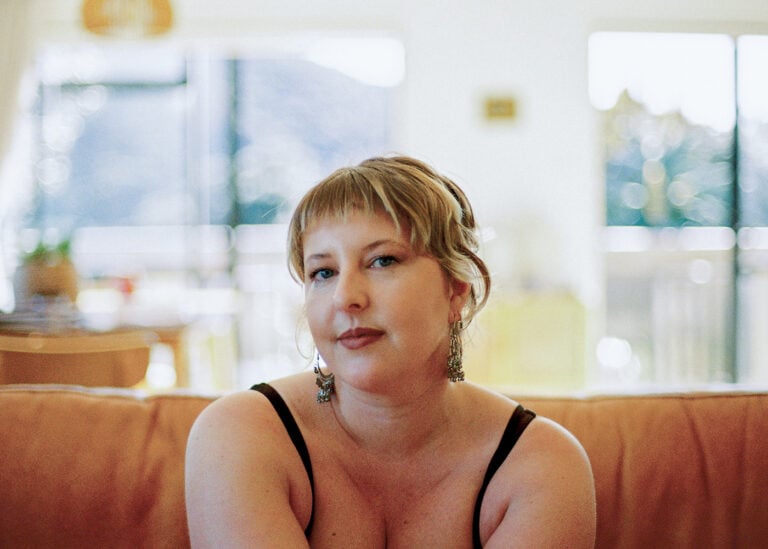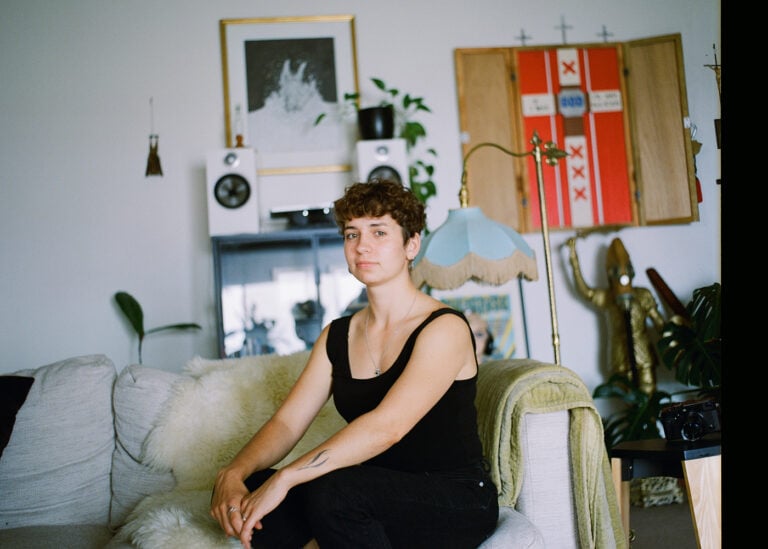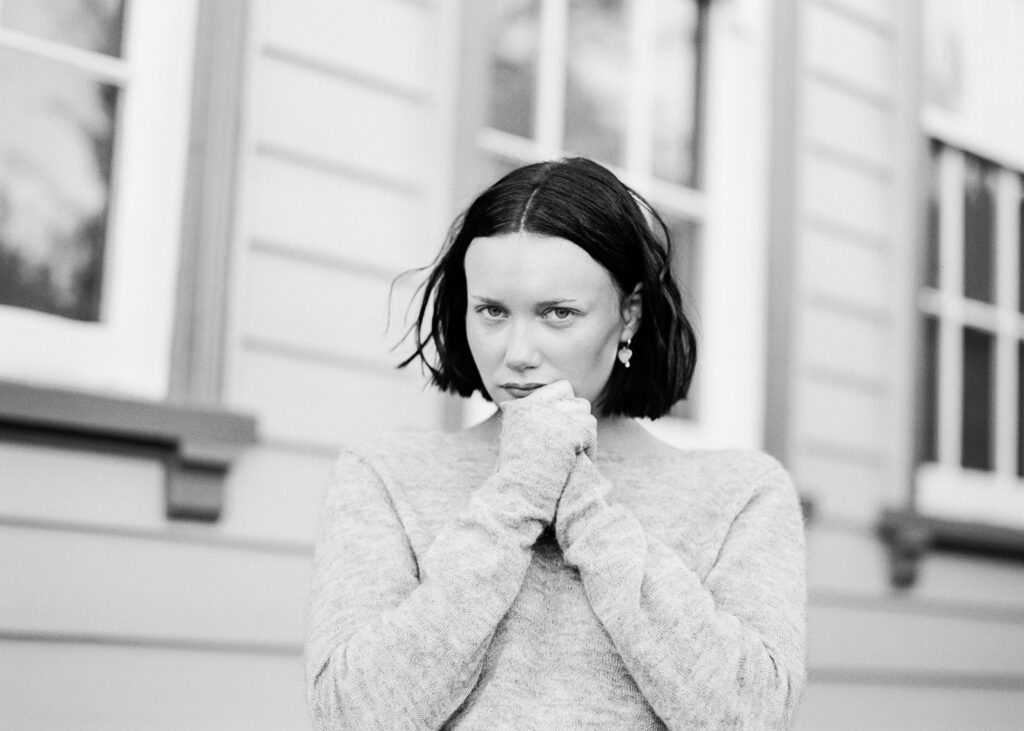
Dani Gleeson is a fashion photographer who also works in the club/festival scene. In this interview, taken just before she started on new projects in Melbourne, you’ll learn about the importance of connection and collaboration in Dani’s work, her take on misconceptions some people have about the life of a fashion photographer, and what her dream fashion shoot would be. Dani also passes on some valuable advice for anyone starting out as a club photographer.
Q. Let’s begin with an intro for the reader. If you were to write a bio about what makes up your creative life, what would it be?
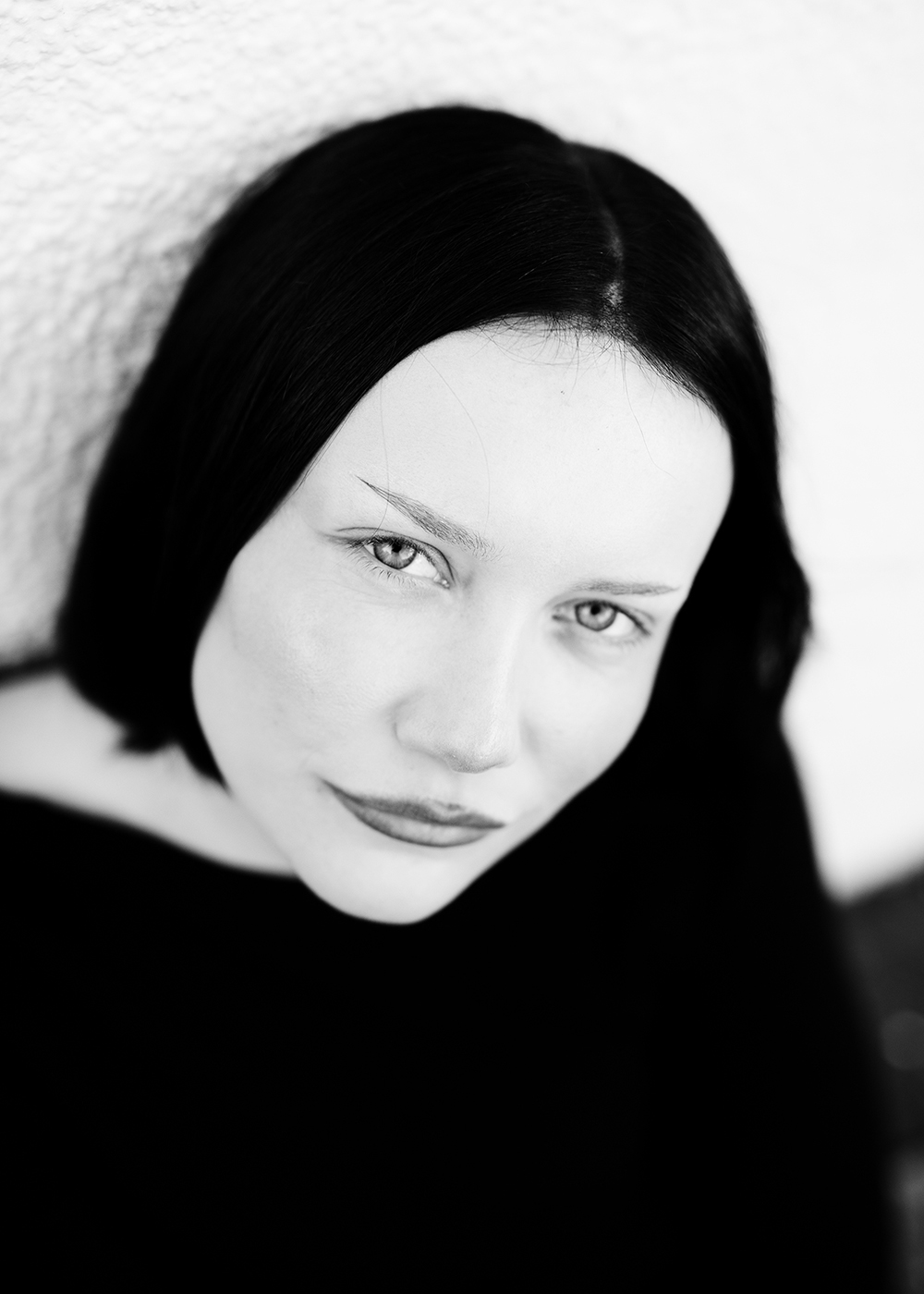
I’m a fashion photographer with a love for adventure, raw emotion, and storytelling through images. My work lives somewhere between the chaos of live music and the structure of high fashion two worlds that constantly inspire and challenge me. I shoot a lot in black and white; there’s something about stripping an image down to its light and shadows that feels more honest, more human.
I started out in fashion photography, drawn to the creativity and self-expression it offers, and I’ve since expanded into shooting festivals and gigs spaces that are just as bold and full of character. That instinct for capturing energy and movement still drives me, whether I’m behind the scenes at a show or out in the crowd at a festival. Both environments let me chase that same feeling: something unfiltered, electric, and alive.
I’m hugely inspired by photographers like Peter Lindbergh, Steven Klein, and Petra Collins. Their work pushes boundaries emotionally, aesthetically, and culturally something I hope to do in my own way. I think being young in this industry is a strength. I see things differently, and I’m not afraid to experiment. Photography for me is about freedom, curiosity, and connection. That’s what I’m chasing in every frame.
Q. For your fashion photography, what is it that draws you to it? Is it the people, the vibe, the locations, the challenge, or all the other things that make it interesting? What is it that makes everything about the things that people don’t see, drive you? (apologies for all the questions)?
For me, one of the biggest things that draws me to fashion photography is the people. I’ve been incredibly lucky to meet so many incredible creatives, stylists, models, makeup artists, other photographers. The connections I’ve made through this work have honestly been some of the most meaningful parts of my journey so far. There’s something really special about bonding with people over a shared passion, where everyone’s bringing their own energy and vision to the table. Those friendships and collaborations fuel me more than anything.
And of course… I do love the clothes. Getting to work with amazing styling and seeing how fashion transforms a shoot is such a fun part of the process. It’s like storytelling through fabric, and it keeps things fresh every time. But ultimately, it’s the mix of connection, creativity, and expression that keeps me coming back. Fashion photography lets me bring ideas to life with people who are just as excited about it as I am, and that’s what makes it so addictive.
Q. You’ve spent time around the New Zealand festival/club scene. What is your instinct when you work in these environments, from a photographer perspective?
When I’m shooting at festivals or in clubs, my instinct is always to watch the crowd. I love seeing how people respond to the music, there’s this raw, unfiltered energy that you can’t really find anywhere else. Everyone’s in their own world, but also part of something collective, and capturing those moments where people let go and just feel it, that’s what I’m always looking for.
It’s less about getting the perfect shot and more about catching a feeling. Whether it’s someone dancing like no one’s watching, a look shared between friends, or that one second when the bass drops and the whole crowd moves, I live for those moments. It’s a totally different pace from fashion photography, but it keeps me sharp and reminds me why I love shooting people in the first place.
Q. Still on this scene, if someone is going into that as a photographer, what advice would you give them?
I’d say the biggest thing is to be careful and stay aware of your surroundings, it’s a fast-paced, unpredictable environment, and things can shift quickly. You’re working in a space where everyone else is there to have fun, so it’s important to stay grounded and keep your gear (and yourself) safe.
That said, don’t forget to actually enjoy it. You’re working in one of the best possible environments, there’s music, energy, emotion, and people completely in their element. Let yourself feel that. Some of the best shots come when you stop overthinking and just respond to what’s happening around you. Trust your eye, move with the crowd, and have fun with it. If you’re enjoying yourself, it’ll show in your work.
Q. When it comes to fashion shoots, can you give an insight into how you conceptualise them? What’s the process for you?
It really depends on what the shoot is. A lot of the time, if I’m shooting for someone who already has a specific look or concept in mind, that gives me a starting point and from there I like to add my own twist to it. I can usually visualise in my head how I want things to look pretty early on, especially once I know the direction or vibe we’re aiming for.
For me, it usually comes back to the people I’m working with. If I know who the model is beforehand, I can already picture them in a certain vibe—whether it’s a specific location, styling, or mood that I feel would suit them. I’m really inspired by the energy people bring to a shoot, and I like building concepts that feel personal or tailored to them in some way.
That said, there have definitely been times where I’ve shown up to a shoot with no clear plan, and just being on set is what sparks the inspiration. Sometimes it’s the clothes, the weather, the light, or even a random moment that sets the tone. I think that’s part of the fun—you don’t always need a full concept mapped out, as long as you stay open to what’s in front of you and trust your instinct.
Q. In your experience, are there any misconceptions about being a fashion photographer?
Definitely. One of the biggest ones is that it’s all super glamorous and effortless, that you’re just turning up, taking a few photos of cool outfits, and heading home. But there’s a lot that happens behind the scenes that people don’t see.
Shoots don’t always go to plan. Sometimes the clothes don’t sit right on the model, or the styling doesn’t translate how you imagined it would on camera. The lighting might change, locations fall through, or the vibe just isn’t hitting and you’ve got to just figure it out on the spot. It takes a lot of creative problem-solving, quick thinking, and flexibility to pull everything together and still create something you’re proud of. It’s not always polished or perfect, but that’s where the magic usually happens.
Another big misconception is that photographers just press a button and that’s it. In reality, we’re setting the tone for the entire shoot. You’re directing the model, helping them feel comfortable and confident, managing the energy on set, and making sure everything visually aligns with the vibe you’re going for.
A lot of the time, you’re reading the room, adapting on the spot, and making creative calls in the moment. There’s a whole emotional and intuitive side to it that people don’t realise, you’re not just capturing the image, you’re shaping it from the very start. But gosh sometimes I wish it was just as easy pressing a button.
Q. Do you have a process, or mindspace, or planning, or work by instinct, for your non-music photography work – the brand work and fashion photography?
I definitely have a mindspace I like to get into when I’m preparing for a fashion shoot. Music is a big part of that, I’ll put my headphones on, play something that matches the vibe I’m going for, and it really helps me get into a creative flow. That’s usually when the ideas start forming clearly in my head.
I also love making mood boards. They help me visualise everything—from the colours and styling to the mood and energy I want to capture. It’s like putting together a visual map of how I see the shoot playing out. Even if things change on the day, having that starting vision helps keep everything focused.
Once I’m on set though, it becomes a collaboration. I really feed off the energy of the people I’m working with, whether it’s the model, stylist, or anyone else involved. Sometimes the direction shifts in the moment based on those interactions, and I actually love when that happens. It makes the whole process feel more alive and less rigid, and the results are usually way more real.
Q. What sense of peace/reward/fulfillment do you get from photography?
For me, the most rewarding part of photography is being able to bring someone’s vision to life. Whether it’s a stylist, a model, or anyone else on the team, it’s incredibly fulfilling to take an idea that started in someone’s head and actually make it real through images. Being the person who helps that concept come together and capturing it in a way that feels true to their vision is something I don’t take for granted.
I also find so much joy in making people feel beautiful and seen. When someone looks at a photo we’ve created together and feels confident or empowered, that’s the best feeling. It’s more than just taking a good photo; it’s about creating a moment where someone feels strong in their skin and proud of how they’re being represented.
Q. Looking to the future. What would an exhibition of your work look like? Everything from where it would be, and the work you would like to include?
This is something I’ve definitely thought a lot about. The future of my photography really excites me, I’ve even found myself walking past empty buildings and imagining what I could do with the space. If I could create my dream exhibition, I think it would be something really personal and meaningful. One of my biggest goals is to work creatively in different parts of the world, and use photography as a way to document that journey.
I’d love to showcase how those experiences shaped me and my style, and share that with the people and places that first supported me. In terms of the actual space, I’m pretty minimalistic. I imagine a big, clean white room with large-scale prints blown up across the walls, nothing too overdone, just letting the images speak for themselves. Something simple but powerful. A space that feels calm, open, and completely focused on the work.
To be able to stand in that space one day, surrounded by the journey I’ve taken, and share it with the people who believed in me from the start, that would be the most fulfilling moment of all.
Q. Final question. You can create your dream fashion shoot. What would it look like? Where would it be? And who might it be for?
This is a really tough question and to be honest, I’ve never really thought much about it, but if I was to choose something as of right now, my dream fashion shoot would be something personal and timeless, with a strong focus on mood and storytelling. I’d want to shoot in a minimal studio space or a clean, industrial location. Somewhere with natural light, strong shapes, and a bit of edge. I usually shoot in black-and-white and I love the simplicity and emotion it brings out.
I think the ultimate dream would be to shoot this entirely on film. The styling would be built around vintage and archive pieces from designers like early Gaultier, 90s Margiela, and Yohji Yamamoto, pieces that feel unique, worn in, and full of character.
I’d want the energy on set to feel calm and natural, capturing quiet, in-between moments rather than overly posed shots. The final images would ideally live in a printed format, maybe a small zine or an exhibition—something physical that people can hold onto.
Be Part Of A Community
Suggested Further Reading: