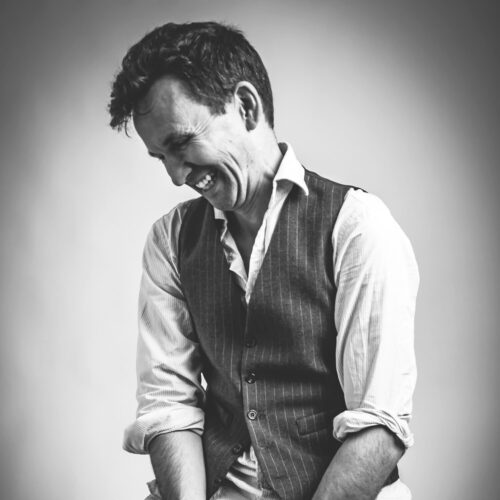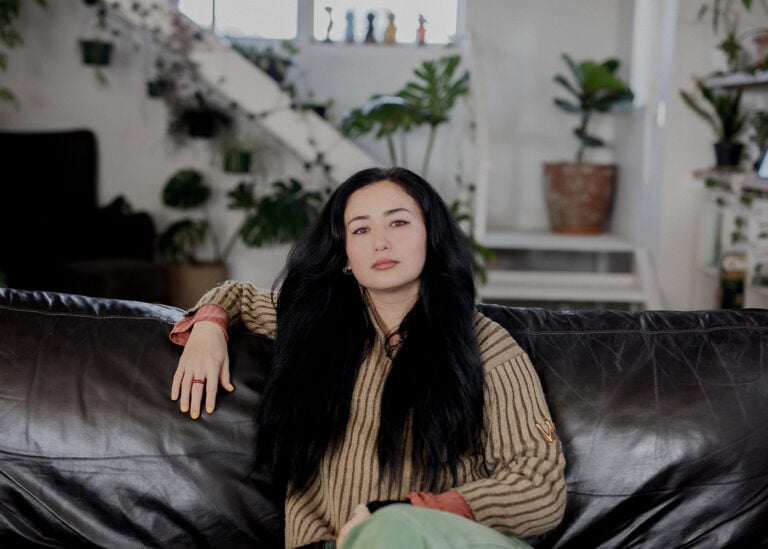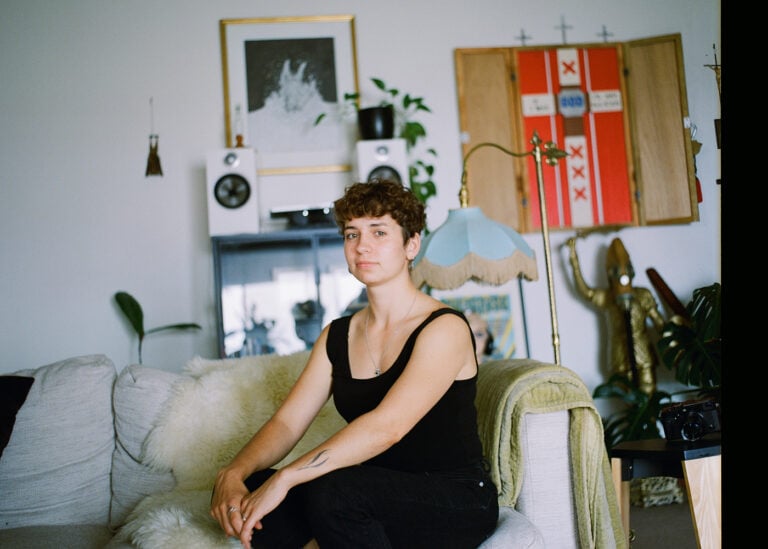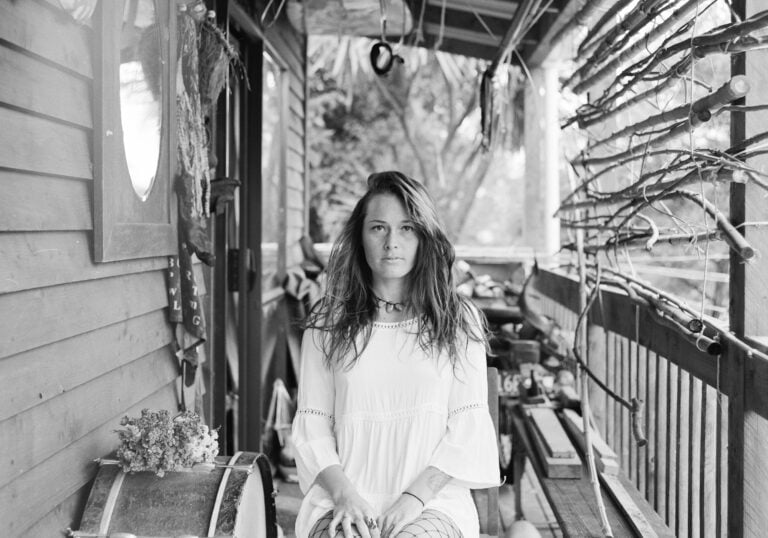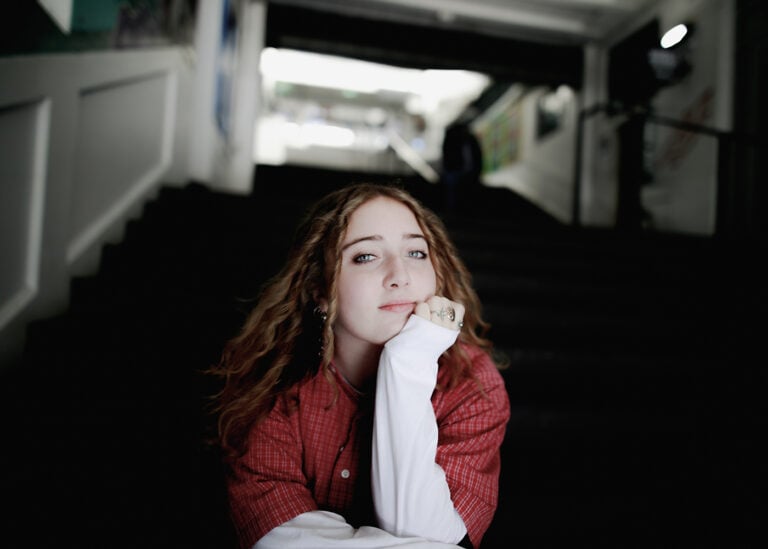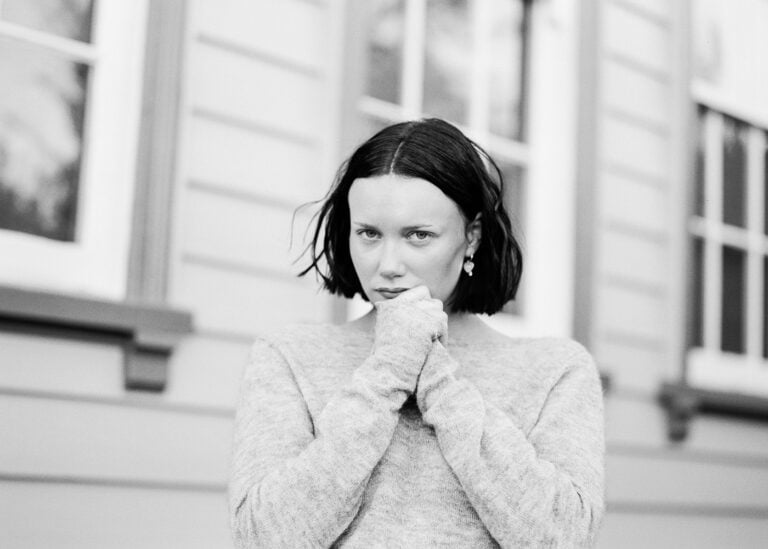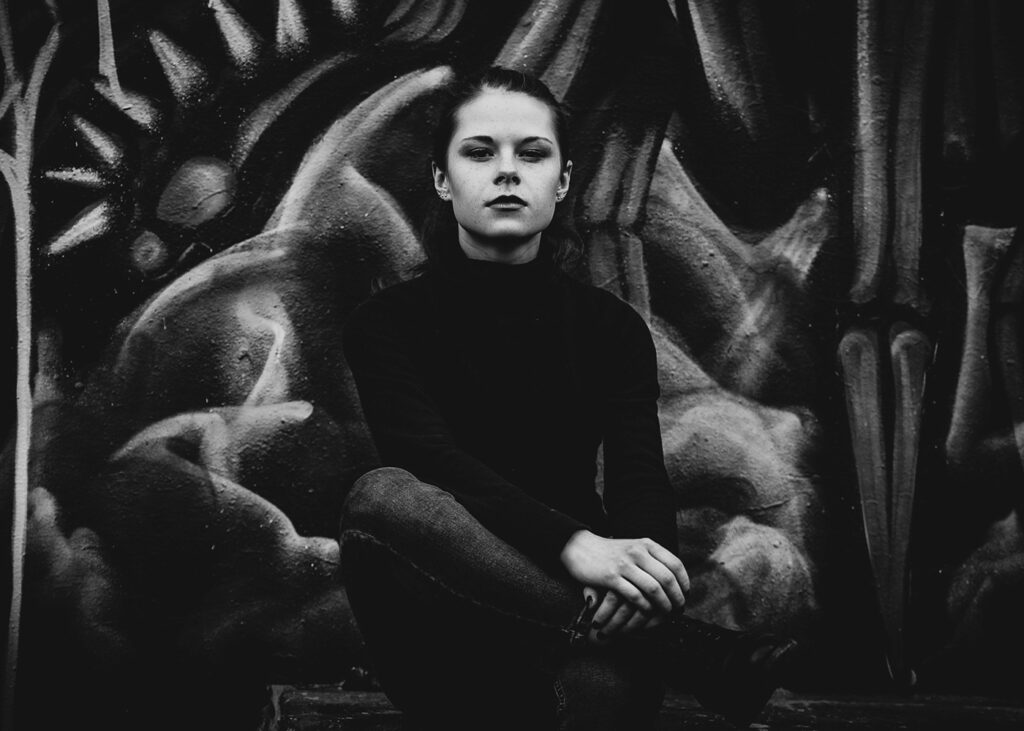
Paulina Charlemont is an artist based in Paris. I know Paulina as a photographer, specifically for her black and white self-portrait work which has rapidly accelerated in distinction, voice, and in harnessing her immediate surroundings. If you ever believe that work can only be created by leaving the home, I encourage you to view Paulina’s work.
I also know Paulina as a subject for my own work. She supported me during my formative portrait work in London and for that, I shall be entirely grateful.
In the creative realm, Paulina is not just a photographer, as you’ll read below. I shall leave this to her to explain, as she is far more eloquent than I.
Q. Let’s kick off with a question about your creative life. If you were to write a bio, for say a magazine, what might it be?
Over the past ten years, I have lived in four different cities: Poznań in my home country of Poland, London in the UK, Freiburg in Germany during the pandemic, and now I am settled in Paris. When I moved to London, I remember taking many pictures of the Millennium and Blackfriars bridges and the cityscape by Southwark, especially while working at Tate Modern and living literally on its doorstep.
During my time in Germany, I took numerous pictures of the Black Forest, first exploring the wide surroundings. In Paris, I did the same. I start from the exterior, observing my context and capitalizing on my somewhat childlike enthusiasm for any new place and its peculiarities. After some time, I tend to turn my focus inward, capturing portraits, close-ups, and details.
What I photograph follows an inductive process. Not because I get bored with my surroundings—quite the opposite. At a certain point, I have incorporated enough of the surroundings into myself and my daily life that I can become both the subject and the object, blending in. It is a return to the most fundamental aspect of my existence: the only thing I truly own, my body. It feels natural.
Q. Personally, I can’t abide talking about equipment and instead prefer to talk about inspiration, style and motivation. What are your thoughts? (apologies for such a loaded question).
Well… you cannot achieve the effect of a thick oil impasto with watercolors. You need to understand what is happening on a technical and material level to effectively express your “inspiration” or “style.” The more you know about the equipment, the freer you are in your creation. I spent six months and took over five thousand test photos to set up my studio in a way that allows me to achieve the desired result in just a few minutes.
Everything is an inspiration. Any single moment has the potential to change your life, becoming the origin of a drawing or a pose. Every single person or thing that appears in my life shapes me and exerts some influence. Perhaps this answer is terribly banal, but my biggest inspiration is the fact that I am. That is to say, my experience of my own life in this world is the only experience I will ever have.
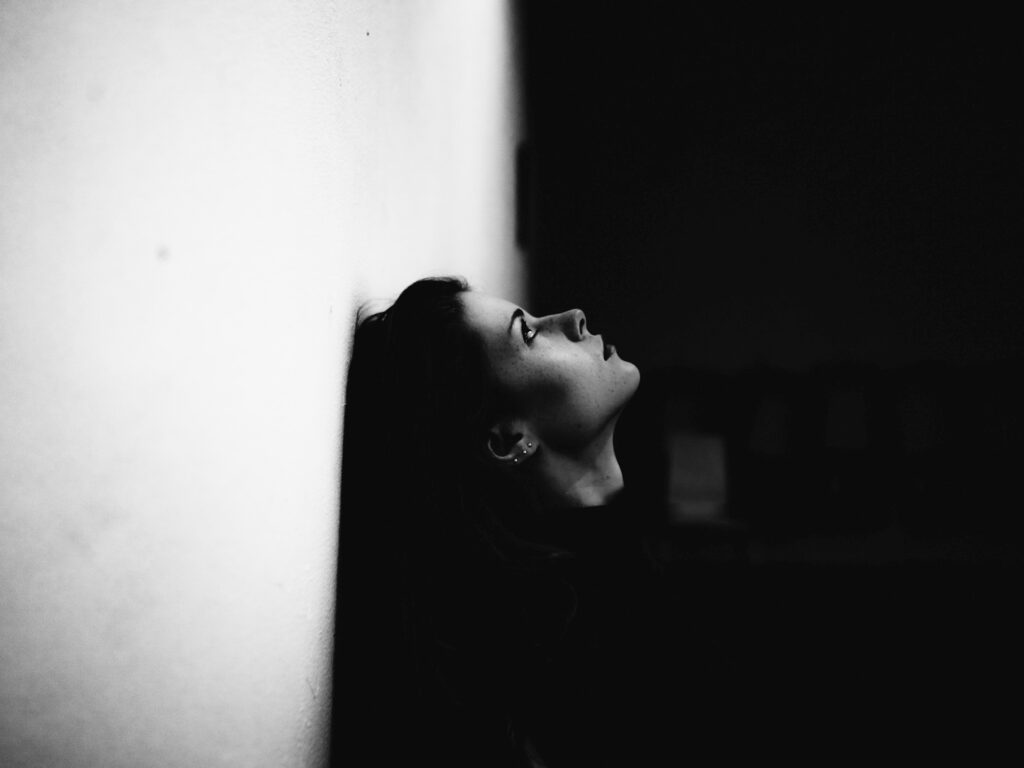
My body is the only thing I will ever truly possess. I am just fascinated by the fact that I exist. I am a sack of bones, flesh, and blood. I think you can see this in my self-portraits. I bend my body into unusual poses so that we can see my bones, my structure, my physical form. Because I am eager to share with others what is happening in my head and listen to what is in theirs, I have motivation. I will stop being inspired when I stop observing.
Visual art is made to be seen and shared. Whether we want it or not, reactions always impact artists, who do not work in a vacuum.
Paulina charlemont
Q. How would you describe the style of your other art, cartoons, illustrations, sketches?
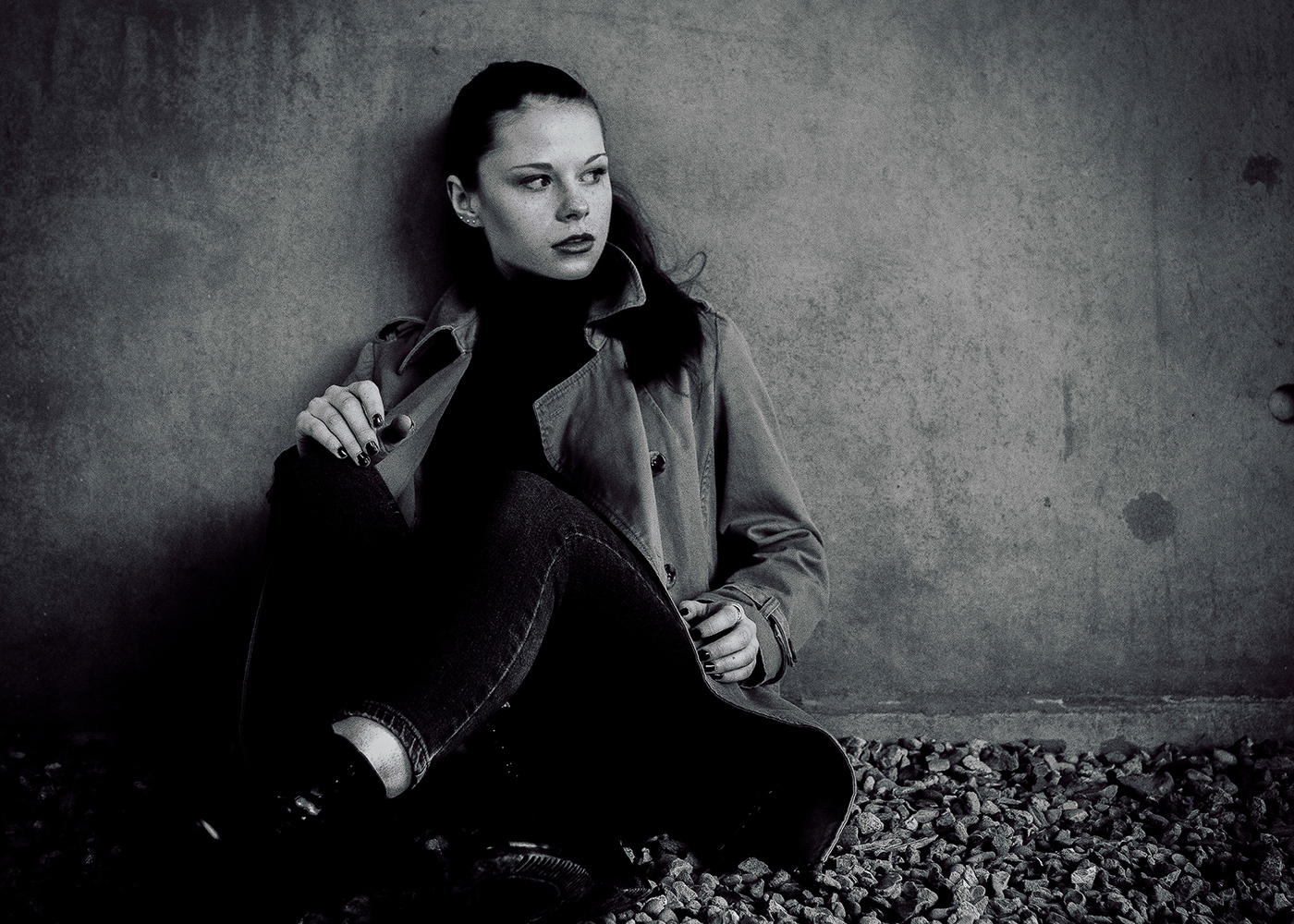
Efficient, tending towards minimalism. For years now, I have been using black and white for my paintings (mainly portraits), and my series of satirical drawings and cartoons are done with black ink only. It’s a similar story with my photography. As I mentioned earlier, I believe you need to master working without color before using it. The second point is that color has become a default today simply because technology allows it. Just because it exists and we are used to it does not mean it is always beneficial to use it. For instance, color is not necessary for my New Yorker-style cartoons.
Over the years, I have learned to subtract down to what is absolutely necessary to make my point, and for many things, color is not essential. I want to save my time and the viewer’s energy. So, in my case, this technical choice nurtures the style. Content-wise, it is all ironic, sarcastic, and not to be taken too seriously. In such uncertain times, we need more humor. Are we left with anything else?
Q. What’s your view on artistic style? Is it something for an artist to consider, strive for, or leave for others to make their own judgements?
I think most serious artists you come across have developed their style, either consciously or by accident, along the way. If you pursue a fine art degree or practice for years, you are either destined to develop your unique point of view or you may conclude that you should consider another career path. Having a unique artistic proposition, a unique voice, is the most important thing (the question—what?/why?). Finding one’s medium of expression is to have one’s own style (the question—how?). It’s about transcending a coherent narrative over your work.
Of course, it is useful to have an external perspective; hence the role of an art critic and even your mom, right? It is important to have a dialogue. Visual art is made to be seen and shared. Whether we want it or not, reactions always impact artists, who do not work in a vacuum.
Q. How has your art and creative process changed since living in Paris?
I made my first steps in Paris during the pandemic, so that was very special, as you can imagine. I started by living in Montmartre, the historically artistic district. I spent months strolling in the area during the lockdowns, getting excited about the life I would have once everything returned to normal. What has changed is the fact that, for the first time in years, I settled down, and even though I moved within Paris, I always had a space to create. It allows me to think more clearly and be more efficient. In my preceding student years, I often had my whole life in one small room.
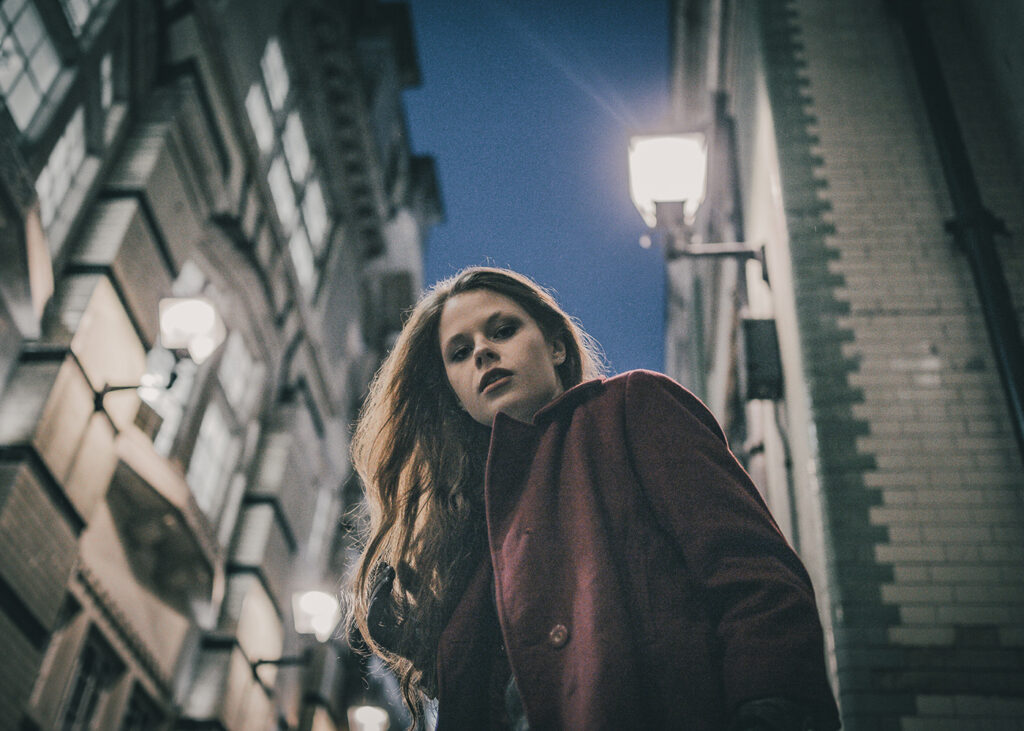
Paris is, in my opinion, one of the most inspiring cities. I say that the reason I moved here is the reflection of the city lights on the Seine at night. There is something magical about it. I go to operas, classical music concerts, theater, art exhibitions, and La Cinémathèque. I am aware of the privilege we have in this city with its cultural and historical heritage, so I am doing my best to make the most of it. Plugging myself into many power sockets at the same time diversifies my energy.
Either way, I feel like I am just beginning my journey here. When I moved to Paris, I did not know a single word of French. Language is a basic thing, but it has changed me a lot. I was very shy back then. Now, I feel like I have been given a new life. It gives me an incredible amount of energy and freedom. I have gotten to know many artists and wonderful people who inspire me and provide generous doses of encouragement in what I do. I am very grateful.
On a creative level, I have become much more pragmatic. I think that is what has changed over the years, especially after I moved to Paris. I am trying to simplify things and get rid of whatever is not necessary to achieve the results I am aiming for.
Q. You’re an artist who works in the art world, and you live in Paris. Some might think this is living a dream life, from an artistic perspective. How correct or incorrect is this perception?
Any big city will have its downsides: it is competitive, and the artistic circle may seem hermetic. But name a city for which this is not true. I do not focus on that. I focus on what works and not on what does not work. Having a great life full of artistic stimulation is not about Paris. It is about you going out of your comfort zone and wanting to have a dialogue with the people, places, and things that surround you. I focus my energy on what is happening here and now, on what I have and not on what I do not have.
In the past years, I have had many various jobs, from serving ice cream and coffee to working as a salesperson at Harrods and Cartier, assisting a curator at the Southeast Museum of Photography in Florida, and doing the very exciting provenance research, a sort of art detective work.
When I first came to Paris, I knew one person and did not speak French. I was working online, studying art history and molecular spectroscopy on my own, and working as a babysitter. I am not sure who would call it a dream life. But when I began my master’s degrees, I could just focus on my studies and artistic endeavors. Today, you could say that I live a dream life, but the journey has been a challenging, bumpy ride. I believe that you are destined to have a dream life, especially in Paris, when you realize what is out there, learn to appreciate it, and make the most of it every day.
Where to see some of Paulina Charlemont’s work
To see examples of Paulina’s work, head to paulinacharlemont.com
Be Part Of A Community
Suggested Further Reading: