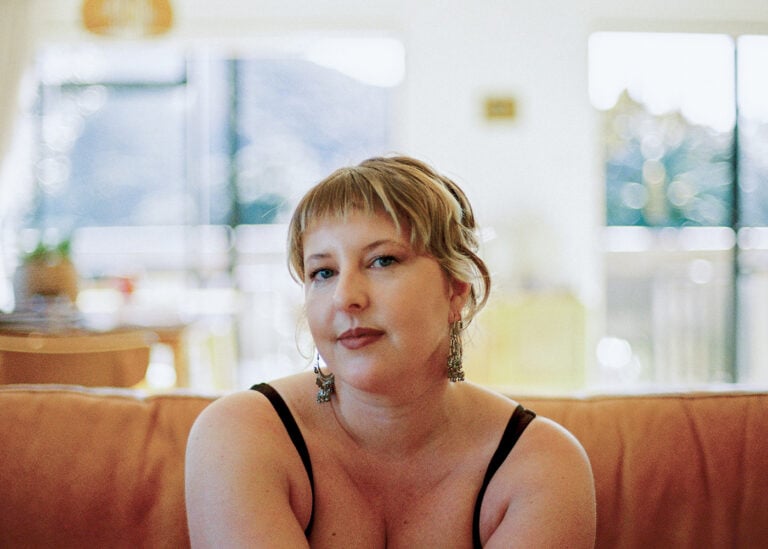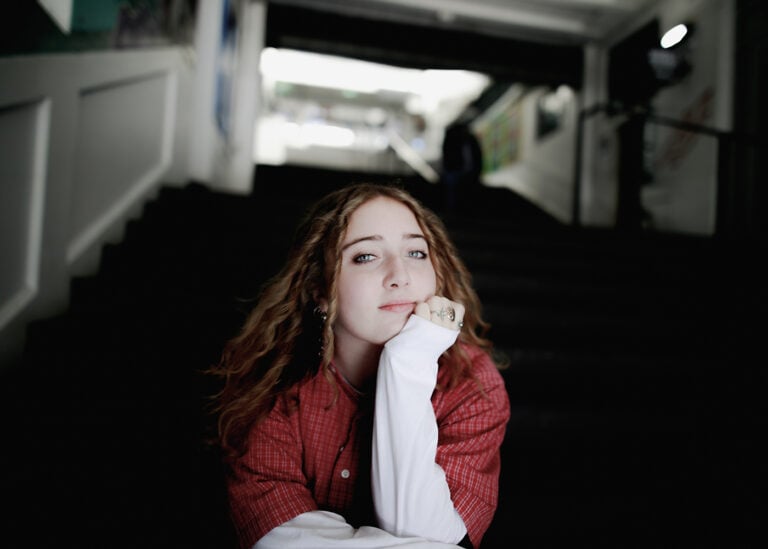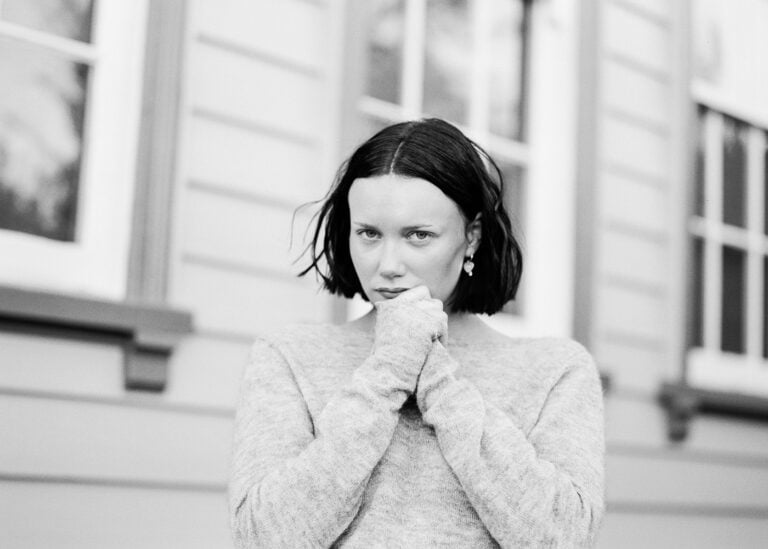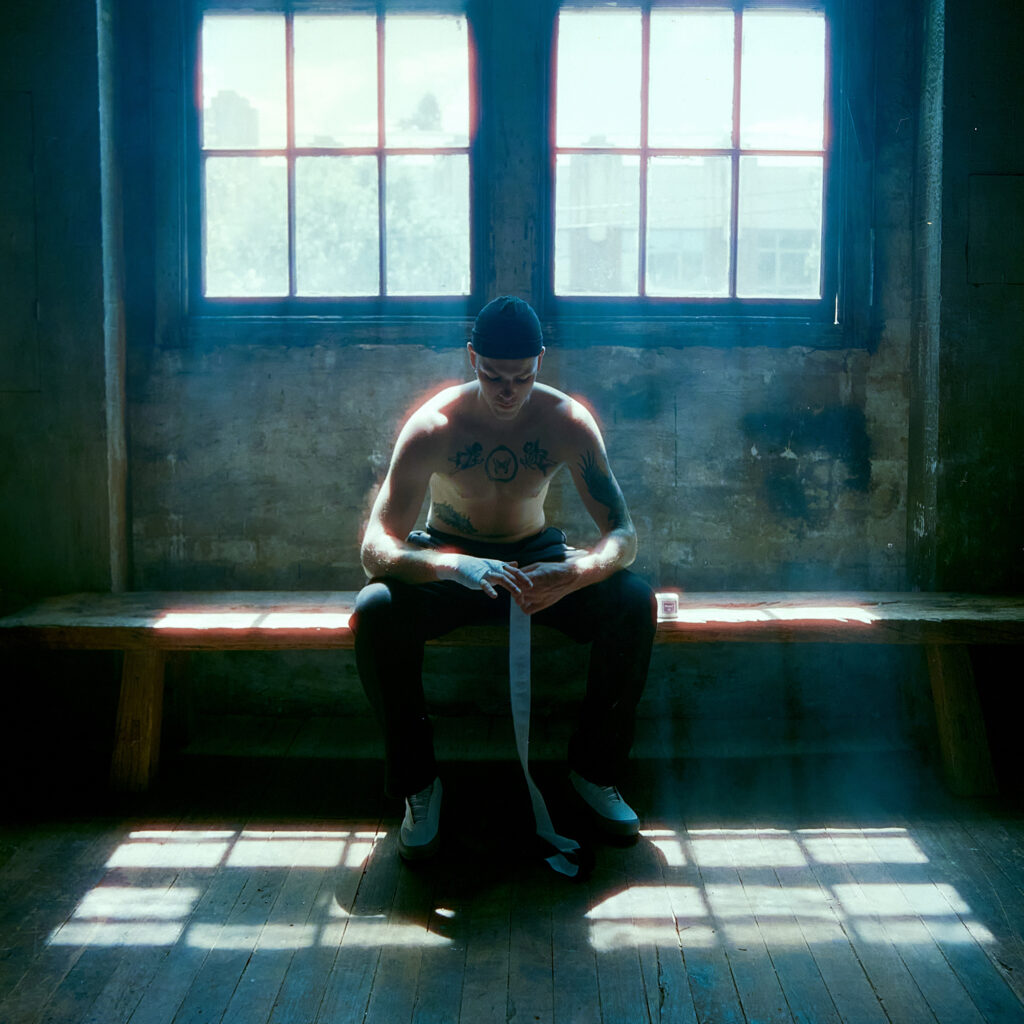
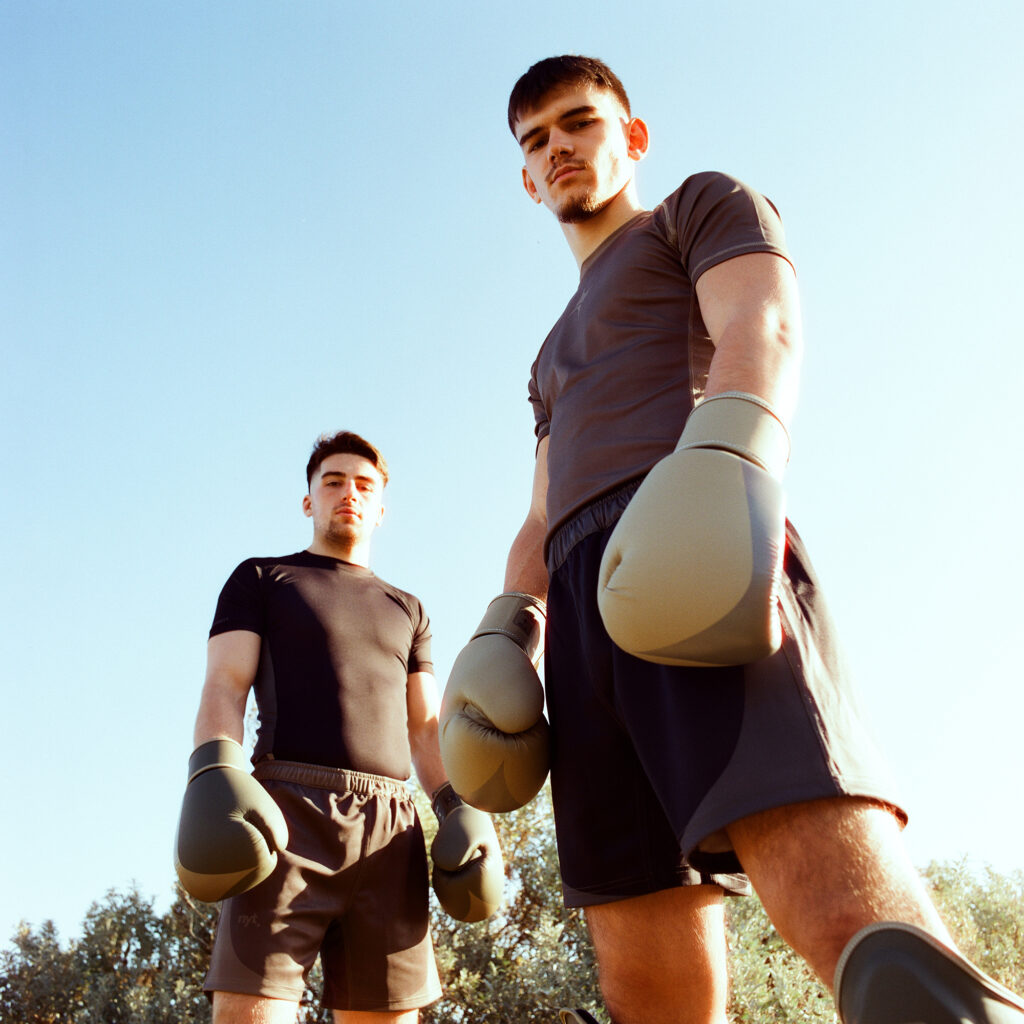
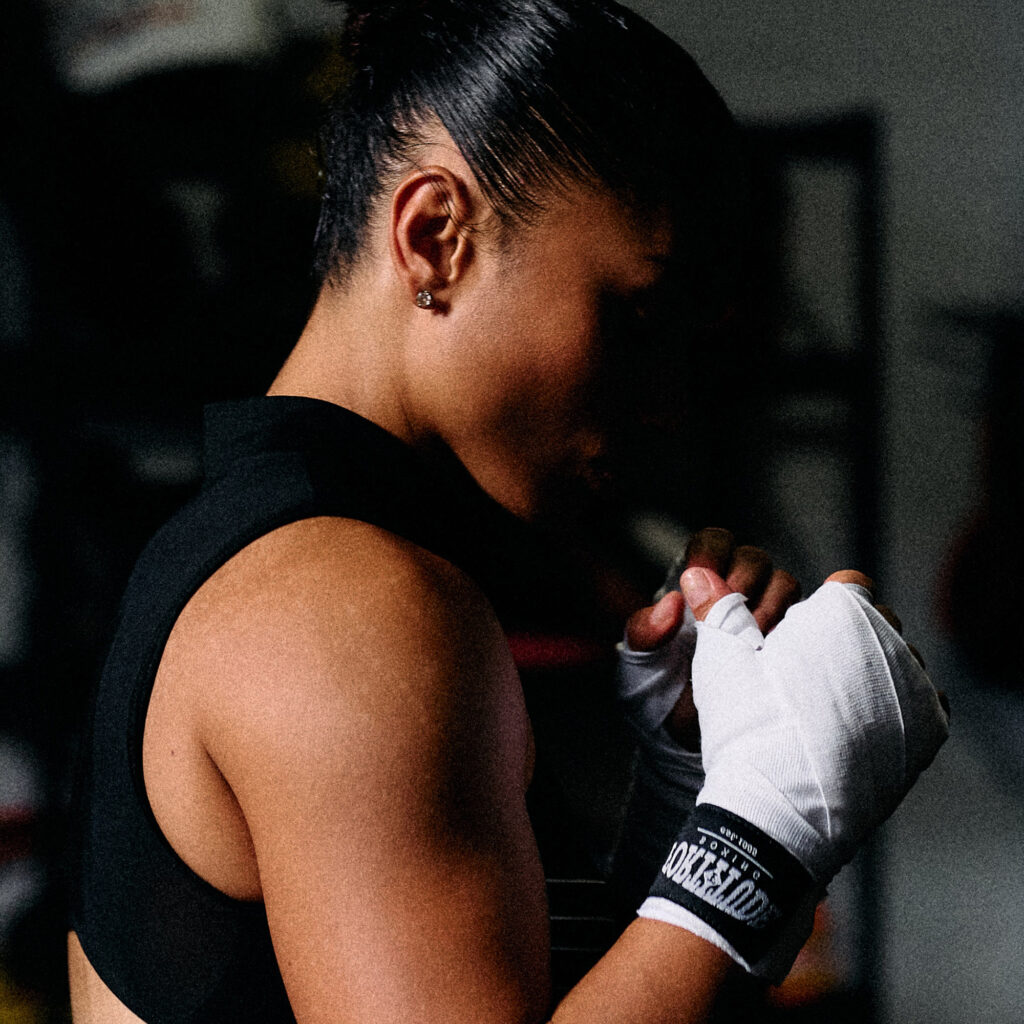
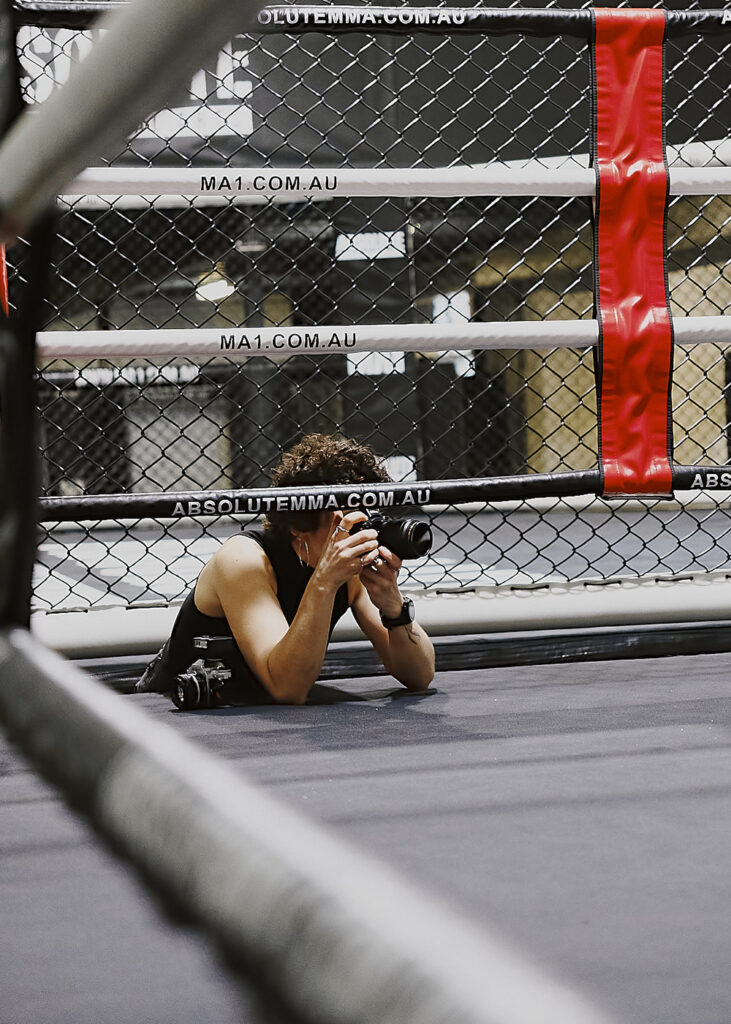
This interview may come to you during a career change, or a hope of one. Isabel Racine is a photographer who has made the shift. Originally from Montreal and living in Melbourne at the time of this interview, Isabel has a professional background as an engineer. That world is behind her. The one she occupies now is that of professional photography and videography for athletes, gyms, and fight wear brands. It’s a niche some occupy, but not too many, and also not one that Isabel is confined to, as you’ll learn below.
Q. If you were to write a bio of your creative life, for say a book sleeve, or talk, what would it be?
I think it’s too early in my creative path to give it an exact title, but I know the theme.
It would start with the fact that this creative journey has always been on without me realizing it, because being creative is so deep within myself, it called me from a very stable career path. It called me out of it because there are some things in life where the pull is stronger than everything else. And I know what I’d call it: Lego. Same as Lego, you can follow a very specific design and build something specific, but they also allow you to build whatever comes through your mind. You can start off with pieces meant to build something specific and end up building something else entirely.
It just depends on what you feel like doing, and accepting that some things in life are unpredictable, and you just have to listen to your gut about what should work together. And just like Lego, anything built prior is still important in the journey. Yes, I’ve put my career behind me, but it’s still a part of me, and it still influences who I am, how I see the world, how I create, and my process.
Q. What have you been working on in more recent times that has taken up most or all of your creative focus?
My creative focus lately has really been Fighting Down Under, documenting fighters. Full disclosure, my creative focus has also been learning what I want to do, discovering my voice. It turns out I really love documenting, and documenting is done a lot through video. So a lot of my past months has been learning how to bring my visions to life, and also learning the difference between doing creative work and staying passionate through freelancing.
That’s part of finding my voice too, because you have to make sure the voice you find, and the creative life you build for yourself, is something valuable for your clients but also something you feel passionate about. That’s how you build a sustainable creative career.
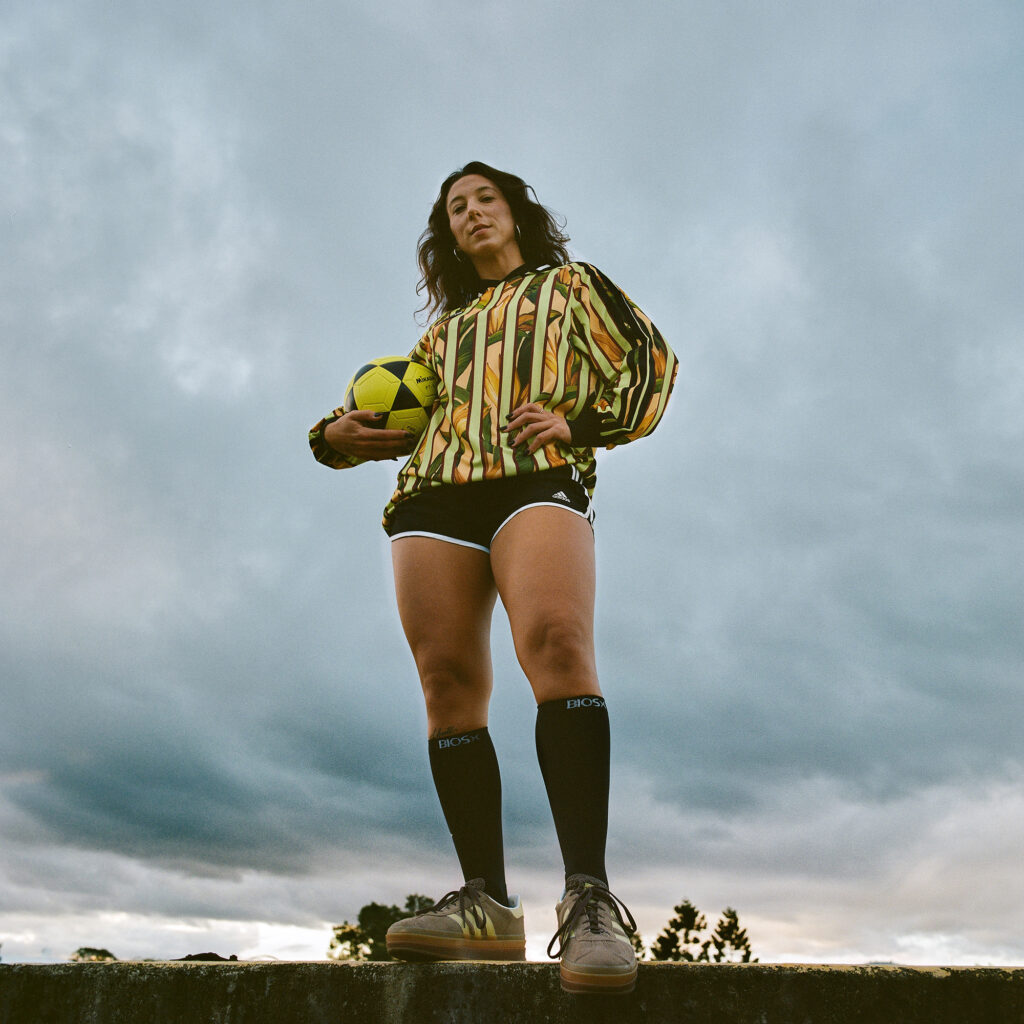
Q. What is it about the genres you work in that you find yourself being drawn to?
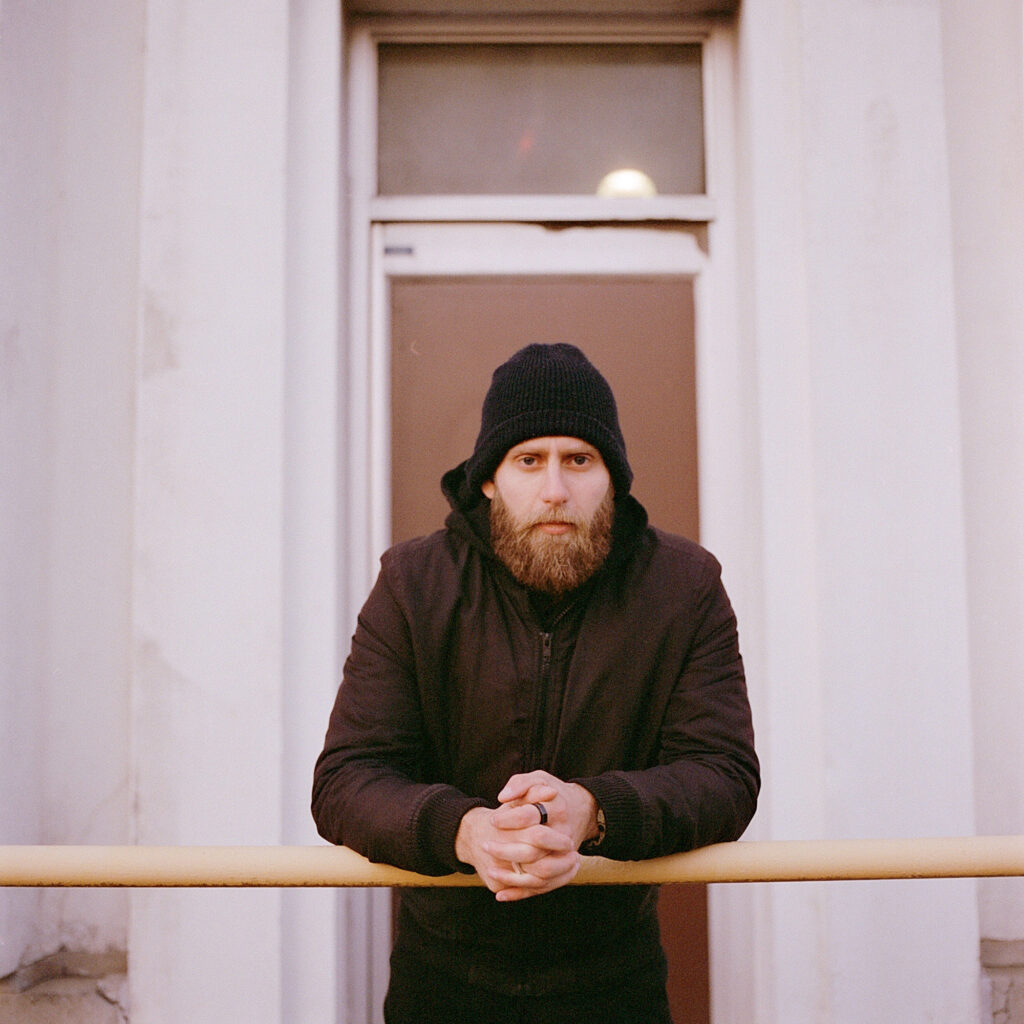
My first instinct was the human angle. When you document something, it’s all about the story behind it, about connection, about what makes it humane and organic and unique. But I also love taking photos of architecture and design. There’s nothing that feels less organic or human than a chair made of metal, and yet there’s something truly beautiful in there that I love to document.
What makes a chair’s design is the attention to detail, how everything feels exactly right even if it’s imperfect, a bit like human stories. What is the detail that makes someone unique, how are they perfect in their own way, what makes them shine. My angle for anything I photograph is trying to find that little detail that might have been overlooked by others, the detail that makes something unique, the detail that will make people stop for a minute and appreciate the beauty in front of them.
Q. Is the photography/videography genre in combat sports in your location one that is growing? Or ultra competitive? Or one that you are forging all on your own?
I’m definitely not forging this all on my own. There are amazing and brilliant creatives around me, and I’m always mind blown by everyone’s vision in this field. It’s beautiful to witness and grow alongside. I don’t think there are too many creatives in this field. Like any creative field, if you have your own voice, there will always be a place for you.
It’s all about finding your voice, and that is hard, that’s what I’ve been working on the past few months. Once you find it, you realize other creatives around you aren’t competition, they’re your peers, and you’re meant to work with them, not against them. My goal is to take this internationally eventually.
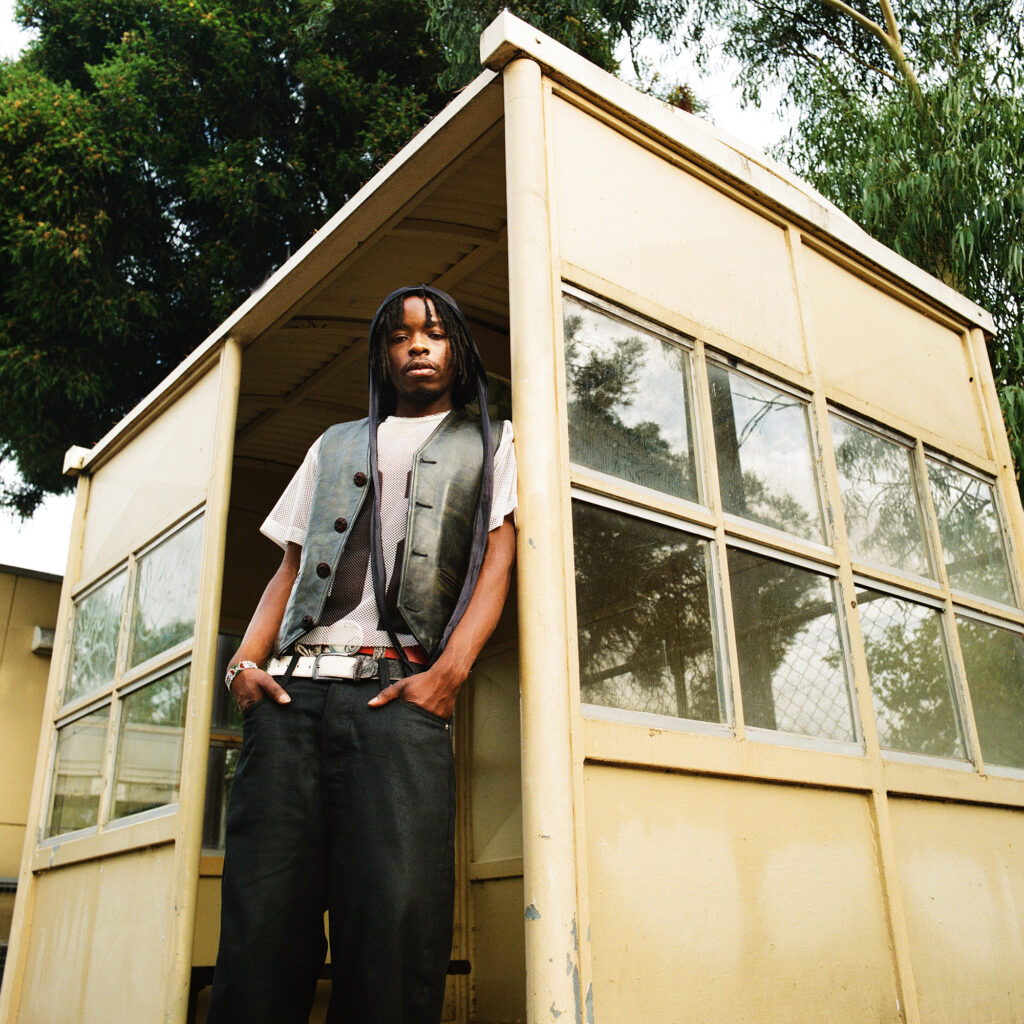
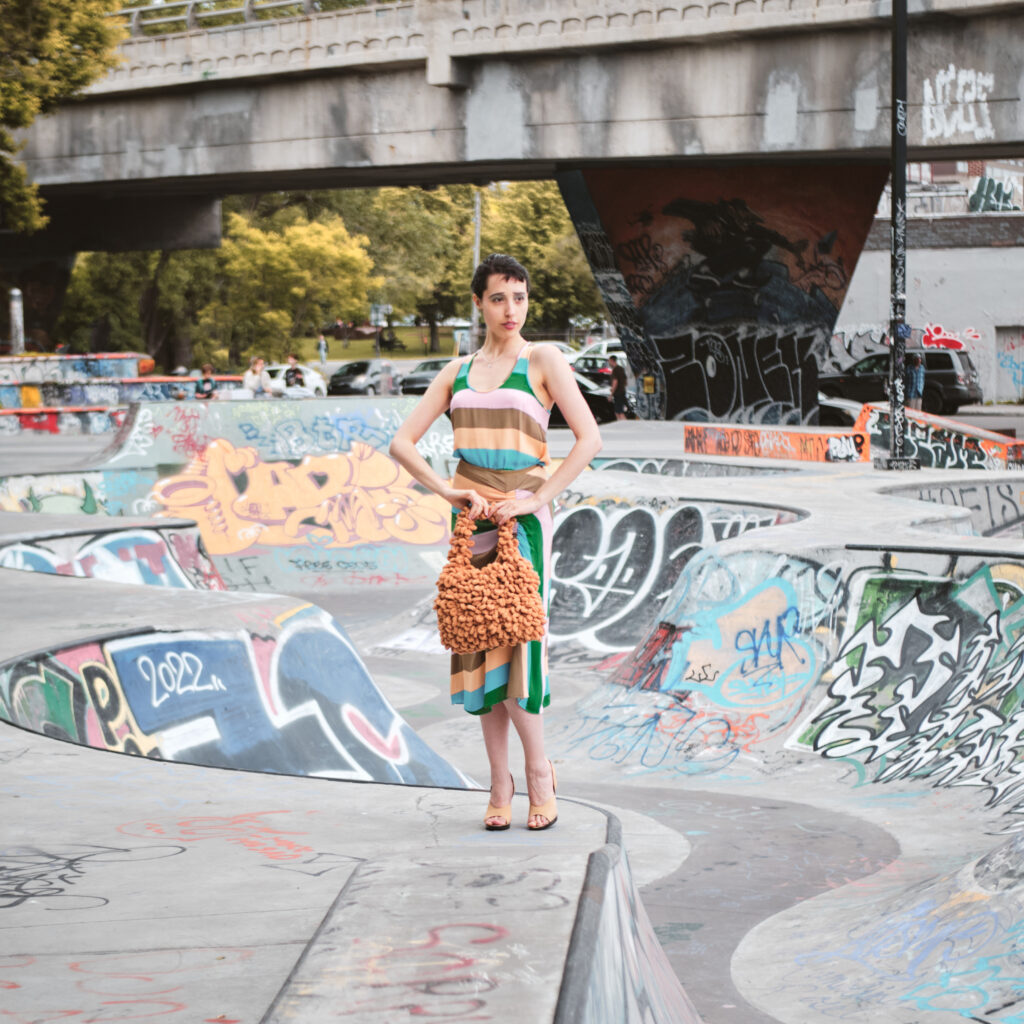
I want to bring more fashion into my work, and my own perspective. Everyone says I have a different perspective on things, and I can see that I do. I’m not sure how or why it’s different, but it’s about bringing that to my work and letting the work speak for itself. I’m still learning, still growing, not a big shot photographer in this field yet, and I’m honestly just grateful and blessed to be able to grow in this space, slowly but surely.
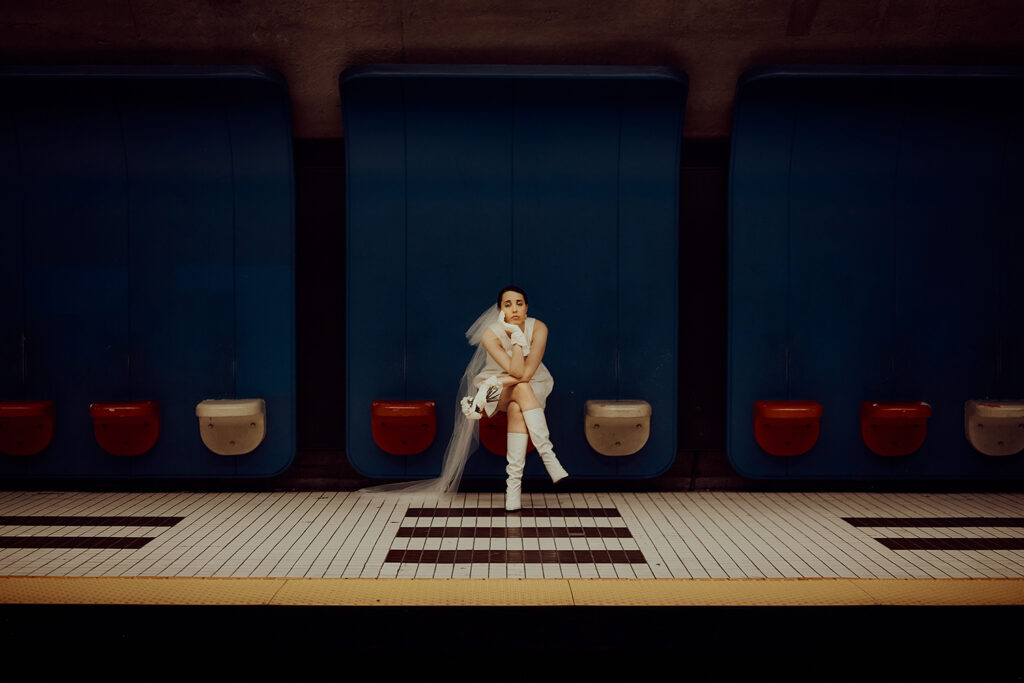
Q. Tell me about the wedding work you do: Is that a buzz? Are you shooting at a wedding and thinking, ‘yep, I love this’. Can you share as much as you want about what draws you to weddings?
That’s a funny one, weddings. I always said I would never, ever do weddings, until my good friend Fabio, a talented cinematographer and photographer, asked me to combine forces and build a wedding photography and videography business together.
Initially I said yes mostly because weddings pay, it’s a lot of work, there’s a reason that service is so expensive. But I thought, let’s just do it and see where it leads. I ended up liking it a lot more than I was expecting. It brings us back to noticing the details that make people unique and special and perfect in their own way.
We’ve built a nice aesthetic, I wouldn’t say yes to just any bride or wedding, because both Fabio and I take photos and videos in a very organic, documentary based style. We bring the emotion of the day into the work, the shots will be there, but we’re not going to create generic stuff. Now that I’ve done a few, I’ve realized what attracts me to them is, once again, the human connection, the story behind the people. It’s being allowed to be the voice that tells their love story forever, because we’re documenting it and making sure they have forever memories of their day.
Q. Life in Melbourne. The creative life, that is. Is it as alluring, enticing, as one from the outside might think it is? Is it hard, tough to break as a creative?
It definitely is as attractive as it looks from the outside. Melbourne is an amazing city to be a creative in. Obviously, with more creatives around, that means more offer than demand, so it can be harder when you don’t know anyone in the field. It takes time to get your name across. But being alongside people who are this creative, constantly around them, I reckon is the best way to grow. It expands your horizons, you meet the most amazing and talented people, and it opens up possibilities in your own mind.
Melbourne is such a beautiful city to create in, whatever environment you want to shoot in, you’ll find it here. And yes, the weather is terrible, that’s for sure, but I think that’s part of the beauty too. Melbourne reminds me a lot of Montreal, and I think anyone who knows both cities would say the same, that’s definitely one of the reasons I felt at home so quickly.
Montreal is my home, and it’s also a very creative city, so it’s important for me to be in a space like this, because I want to push myself as a creative, and you do that best surrounded by people who are better than you.
Q. Given your professional background as an engineer, now a professional creative, I’m going to presume you never stand still with wanting a challenge. What might be the next big challenge for you? Or years away?
My next big challenge is going to be moving back home. I spent a year and a half here building connections, thinking I was going to stay, building a vision of what I wanted to create here. I’ve realized I need to bring that vision back home, because I don’t have a visa anymore, and I’m not going back to studying just for a visa.
So my question to myself became, what do I want to build for myself as a creative. People have always told me they saw me having a studio space, but I personally never really saw it, it felt too obvious. Then I slowly fell in love with the aesthetic of boxing, that old vintage vibe, which really works with film photography. Going back home, I’ve always wanted a space for myself, so I think it’s going to be building a space around boxing where I can create, but most importantly, where I can have a community around me.
I’ve been missing being part of a community, because that’s the life of an expat and a traveler, when you move around a lot, that’s what happens. You meet amazing people, and that’s beautiful to live, but I’ve been craving a solid foundation somewhere. So my next big project is going to be building something that is mine, something big, where I can create and have people come share it with me back home.
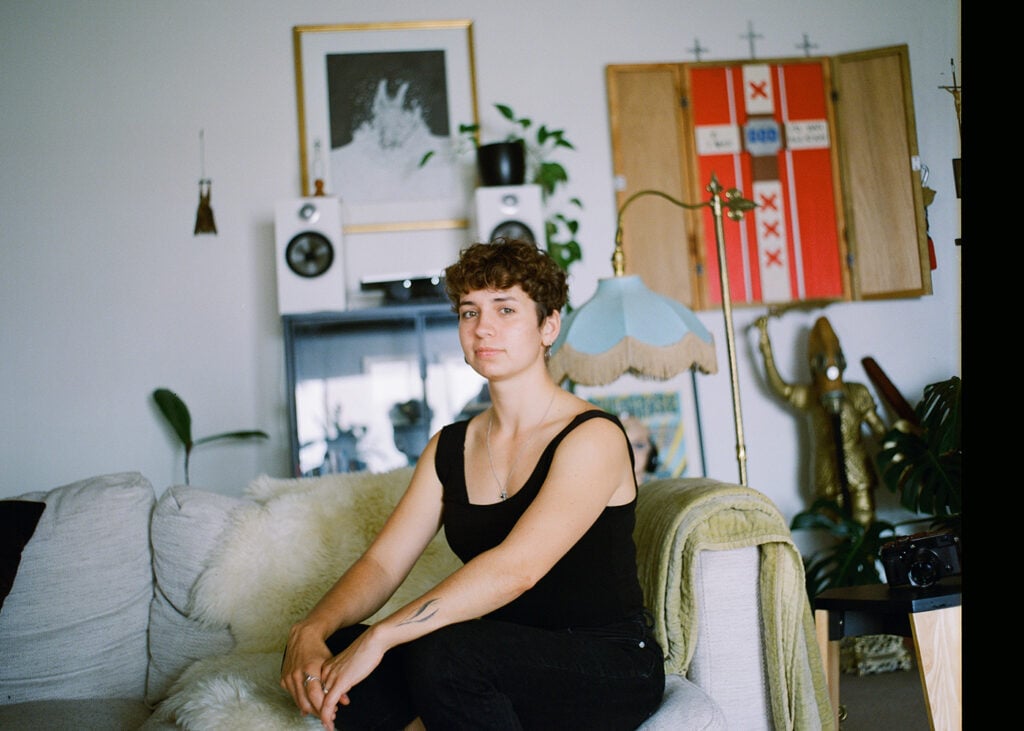
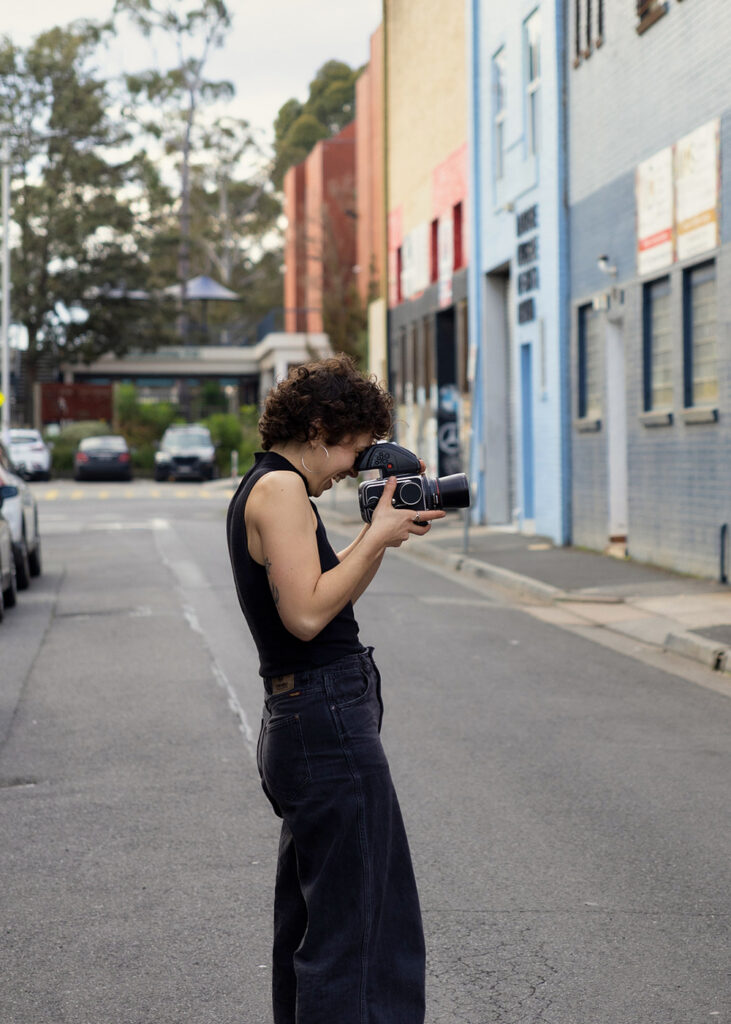
Q. Now, people who know me know I can’t abide talking about gear. I’m going to make an exception because I know you have a Hasselblad. This might sound strange, but do sometimes like you have a connection with it? That is, when you hold it, and you peer into the viewfinder, you feel some peace?
Yeah, definitely. She’s my baby. That camera is the most beautiful gift I’ve ever received, and it’s the beginning of the snowball effect of my creative path. I had shot with a similar Hasselblad years before having my own, and it just felt right. That format, that camera, is really the one where I feel most at peace when I’m working with it. It feels like an extension of myself.
When I see a shot, I see it through that viewfinder every time in my head. I’m blessed to be handling such a beautiful piece of equipment for my work. There’s something so reassuring in the click of the shutter sound, and something truly beautiful in the fact that it’s fully mechanical too. It works with the vintage vibe that I love so much.
Q. What is your view on personal artistic style? Should an artist cultivate it? Or, as a working professional, is it a case of, this is what the client wants, so I’m delivering what they want?
That’s one I go back and forth on. It’s tricky because I’m at the beginning of my creative freelancing path, and when you’re starting out, you don’t have a defined style yet. So it’s easy to say, well, I just have to deliver based on what the client wants, because you don’t even know what your style is yet. But I think the sooner you define your style, the better, and the more unapologetic you can be about delivering things in your own style.
If you’re clear about your style, views, and vibe, a client will hire you for those things, and pay more for it. If a client wants something different, they can go see someone else. There is a fine line though, it also depends on each creative and what you like delivering. In any case, just be unapologetic about what you want to deliver, but be very clear about it too. It’s all about communication. If you’ve communicated clearly, there’s no reason a client should be expecting anything else.
Be Part Of A Community
Suggested Further Reading: